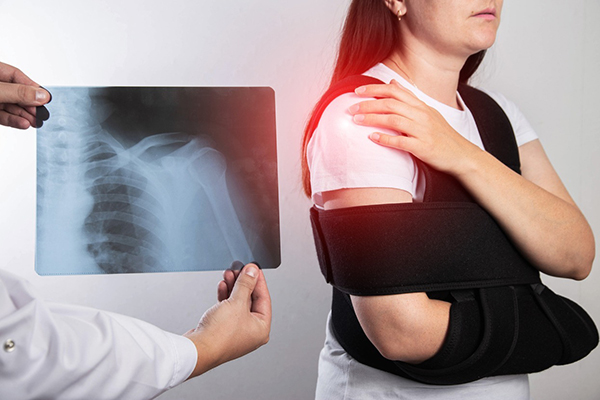
Shoulder pain can make simple movements surprisingly difficult. Reaching overhead, putting on a shirt, lifting a bag, or sleeping on one side may become uncomfortable when an underlying joint problem is present. For some patients, physical therapy, medication, injections, and activity modification provide enough improvement. When symptoms persist because of structural damage, shoulder arthroscopy may offer a minimally invasive way to diagnose and treat the problem. Understanding what it treats and what recovery involves can help you make an informed decision.
What Is Shoulder Arthroscopy?
Shoulder arthroscopy is a minimally invasive procedure that uses a small camera called an arthroscope to view the inside of the shoulder joint. The camera is inserted through a small incision, while specialized instruments can be introduced through additional small openings to repair or remove damaged tissue. The technique can address problems involving the shoulder's bones, cartilage, tendons, ligaments, and muscles.
Because the procedure uses small incisions rather than the larger opening required for some traditional operations, it can be an effective approach for appropriately selected shoulder conditions.
However, arthroscopy is not automatically the best treatment for every type of shoulder pain. The underlying diagnosis, severity of the damage, activity level, and response to nonsurgical care all influence the decision.
Which Shoulder Conditions Can Be Treated With Arthroscopy?
Rotator Cuff Tears: The rotator cuff is a group of tendons that helps stabilize and move the shoulder. Tears can occur from an acute injury or develop gradually through degeneration and repetitive use.
When a rotator cuff tear causes persistent pain, weakness, or loss of function despite appropriate nonsurgical treatment, arthroscopic repair may be considered. Your surgeon can evaluate the tendon and repair the damaged tissue through small incisions when appropriate.
Shoulder Impingement and Bone Spurs: Shoulder impingement can occur when structures around the shoulder become irritated during movement. Bone spurs and other changes can contribute to narrowing or irritation around the tendons.
Arthroscopy may allow your surgeon to examine the joint and address certain sources of mechanical irritation when conservative treatment has not adequately improved symptoms.
Labral Tears and Shoulder Instability: The labrum is a ring of cartilage surrounding the shoulder socket that helps stabilize the joint. A labral tear may develop after a fall, dislocation, repetitive overhead activity, throwing, or other trauma.
Symptoms can include pain, clicking, catching, reduced motion, and a sensation that the shoulder is unstable. Arthroscopic treatment may involve repairing the torn labrum or addressing associated biceps tendon damage.
Certain instability injuries, including Bankart and SLAP tears, may require specialized arthroscopic techniques depending on the location and extent of the damage.
Biceps Tendon Problems: The biceps tendon attaches near the top of the shoulder joint and can become irritated or damaged through repetitive activity or injury.
Some biceps-related problems can be addressed during arthroscopic shoulder surgery. The appropriate procedure depends on the condition of the tendon and whether other structures, such as the labrum, are also involved.
Frozen Shoulder and Stiffness: Frozen shoulder can cause substantial stiffness and make ordinary movements difficult. Treatment often begins without surgery, using physical therapy, medications, and other conservative measures.
When significant stiffness persists despite appropriate treatment, arthroscopy may sometimes be used as part of a surgical approach to improve shoulder motion.
When Is Shoulder Arthroscopy Recommended?
Surgery is generally considered when a specific structural problem has been identified and nonsurgical treatment has not provided sufficient improvement.
Depending on the condition, conservative care may include physical therapy, activity modification, medication, or injections. The goal is to determine whether the shoulder can recover without surgery or whether persistent structural damage requires a more targeted intervention.
A thorough evaluation typically considers your symptoms, physical examination, activity level, previous injuries, and imaging. X-rays and MRI scans may help identify problems involving the bones, rotator cuff, labrum, cartilage, or other soft tissues.
What Happens During Shoulder Arthroscopy?
Shoulder arthroscopy is performed under anesthesia. Your surgeon makes small incisions and inserts the arthroscope into the shoulder joint. Sterile fluid is used to expand the surgical area and improve visibility.
Once the source of the problem has been identified, specialized instruments can be inserted through additional small openings to perform the necessary repair or treatment. The exact procedure depends entirely on the diagnosis.
For example, a labral repair involves a different surgical strategy from rotator cuff repair or treatment of a bone spur.
How Long Does Recovery From Shoulder Arthroscopy Take?
There is no single recovery timeline for every shoulder arthroscopy patient. Recovery depends heavily on what was performed.
After surgery, the shoulder may be placed in a sling for a period determined by your surgeon. Physical therapy is an important part of rehabilitation and is used to gradually restore motion, strength, and function. The website's postoperative information emphasizes that recovery varies according to the type and extent of the procedure.
For labral repair specifically, postoperative instructions indicate that patients may wear a sling for several weeks and gradually work on motion and flexibility before progressing to strengthening and other activities.
A straightforward arthroscopic procedure may have a different recovery course from a rotator cuff repair or stabilization procedure. Returning to sports can take considerably longer when repaired tissues need time to heal.
Why Physical Therapy Matters After Surgery
Arthroscopic surgery addresses the structural problem, but rehabilitation helps restore the shoulder's function.
Physical therapy can focus on gradually improving range of motion before progressing toward strengthening. Your rehabilitation program should reflect the specific procedure performed because moving the shoulder too aggressively can interfere with healing after certain repairs.
The postoperative instructions for shoulder arthroscopy and labral repair specifically emphasize arranging physical therapy around the time of surgery and following the prescribed restrictions on active shoulder movement.
For athletes, the final stages of recovery may also involve sport-specific exercises designed to prepare the shoulder for throwing, lifting, swimming, or other activities.
Is Shoulder Arthroscopy Right for You?
Shoulder arthroscopy can be an effective treatment for selected structural problems, including rotator cuff tears, labral injuries, instability, impingement, certain biceps problems, and other conditions.
But surgery should be based on the actual source of your symptoms rather than the presence of shoulder pain alone. A careful evaluation can help determine whether rehabilitation and other nonsurgical treatments are appropriate or whether arthroscopic surgery offers a better path forward.
Frequently Asked Questions About Shoulder Arthroscopy
How do I know if I need shoulder arthroscopy?
You may be considered for shoulder arthroscopy when a specific structural problem is causing persistent pain or functional limitations and appropriate nonsurgical treatment has not provided enough improvement. Your surgeon will consider your symptoms, examination, imaging, activity level, and treatment goals.
What shoulder problems can arthroscopy treat?
Shoulder arthroscopy can treat selected rotator cuff tears, labral injuries, shoulder instability, impingement, bone spurs, certain biceps tendon problems, damaged cartilage, and some cases of persistent shoulder stiffness.
How long will I wear a sling after shoulder arthroscopy?
The length of time you need a sling depends on the procedure. Some patients may need only a short period of protection, while repairs such as certain labral procedures require several weeks of sling use. Your surgeon will provide specific instructions based on what was repaired.
How long does it take to recover from shoulder arthroscopy?
Recovery varies according to the condition treated and the procedure performed. Physical therapy is typically an important part of recovery, and returning to sports or strenuous activity may take several months after certain repairs.
Can shoulder arthroscopy help me return to sports?
It can help appropriately selected patients address structural shoulder problems that interfere with athletic activity. Returning to sports requires adequate tissue healing, restored strength and motion, and completion of the appropriate rehabilitation program. Your surgeon and physical therapist can determine when progression is appropriate.
If persistent shoulder pain is interfering with work, exercise, sleep, or everyday activities, an evaluation can help identify what is actually causing the problem. Understanding whether you need continued conservative care or a procedure such as shoulder arthroscopy is an important step toward restoring function and returning to the activities you value.
Dr. William P. Toole, MD, FAAOS is a board-certified, fellowship-trained orthopedic surgeon and sports medicine specialist serving patients across Boynton Beach, Boca Raton, Delray Beach, and the greater Palm Beach County area. A graduate of the honors college at Clemson University, Dr. Toole earned his medical degree with honors from the University of South Carolina School of Medicine and completed his orthopedic surgery residency at the University of Florida / Mayo Clinic Florida — one of the most respected training programs in the country. He is certified by the American Board of Orthopaedic Surgery, a Fellow of the American Academy of Orthopaedic Surgeons (FAAOS), and a member of the American Orthopaedic Society for Sports Medicine.