Sports Medicine Specialist in Boca Raton, Boynton Beach & Delray Beach, FL
Whether you are a competitive athlete, weekend warrior, student-athlete, golfer, runner, or active adult, sports injuries can disrupt your performance and daily life. Sports medicine focuses on the prevention, diagnosis, treatment, and rehabilitation of injuries affecting muscles, tendons, ligaments, cartilage, bones, and joints. Dr. William P. Toole is a board-certified, fellowship-trained orthopedic sports medicine specialist providing comprehensive sports medicine care for patients throughout Boca Raton, Boynton Beach, and Delray Beach. From non-surgical treatments and injury prevention strategies to advanced arthroscopic and reconstructive procedures, Dr. Toole helps patients recover from injuries, restore function, and return to their sport or active lifestyle as safely and efficiently as possible.
What is Sports Medicine?
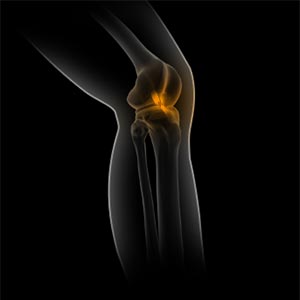 Sports Medicine, also known as sports and exercise medicine (SEM), is a branch of medicine that deals with the treatment and prevention of sports and exercise-related injuries and improving fitness and performance. The main objective of sports medicine is to help individuals engage in sports and exercise in a safe and effective manner to accomplish their training goals.
A sports medicine team may comprise medical and non-medical specialists, such as physicians, surgeons, athletic trainers, physical therapists, sports psychologists, nutritionists, coaches, and personal trainers. Most sports medicine physicians deal with non-operative musculoskeletal conditions. Others are orthopedic surgeons who have decided to focus their practice on the surgical treatment of sports injuries.
Sports medicine is not a medical specialty in itself. Most sports medicine doctors are certified in internal medicine, emergency medicine, family medicine, orthopedics, or another specialty and then acquire additional training with a 2-year fellowship in sports medicine to be certified as a sports medicine specialist.
Who are Sports Medicine Specialists?
Sports medicine specialists are medical doctors who specialize in the diagnosis and treatment of sports- or exercise-related injuries and illness. A sports medicine specialist focuses on the medical, therapeutic, and functional aspects of exercise and works directly with athletes to improve their overall sports performance. Although sports medicine specialists work exclusively with athletes, the majority will treat anyone who needs treatment for a sports or exercise-related injury.
Sports medicine specialists treat a wide range of physical conditions, including acute traumas such as fractures, sprains, strains, and dislocations. They also treat chronic overuse injuries including tendonitis, degenerative diseases, and overtraining syndrome.
What are Sports Injuries?
Sports injuries are injuries sustained while playing indoor or outdoor sports such as football, basketball, hockey, baseball, and tennis, or while exercising. Sports injuries can result from sports accidents, inadequate training, improper use of protective devices, or insufficient stretching or warm-up exercises. Common sports injuries include bone, muscle, ligament and tendon injuries that commonly involve joints such as the shoulders, knees, hips, ankles and feet.
Some of the common types of sports injuries treated by sports medicine specialists include:
- Anterior cruciate ligament (ACL) tears
- Concussion
- Fractures
- Knee cartilage injuries
- Meniscal tears
- Nerve compression injuries
- Patellar Tendonitis
- Posterior cruciate ligament (PCL) injuries
- Shoulder dislocation
- Shoulder separation
- Sprains and strains
- Tennis elbow (lateral epicondylitis)
- Tendonitis
Treatment for Sports Injuries
Treatment includes management of bruises, strains and sprains, fractures, dislocations, chronic injuries, torn shoulder ligaments, ACL ligament repair in the knee as well as cartilage and meniscal repairs. Surgery is mostly accomplished by minimally invasive methods and healing is expedited by physical therapy and a rehabilitation program to ensure a quick return to your sporting activities.
The most common non-surgical or conservative treatment recommended for sports injuries include:
- Rest, Ice, Compression, and Elevation (RICE) Therapy:
- Rest: Avoid activities that may cause injury.
- Ice: Ice packs can be applied to the injured area, which will help to diminish swelling and pain. Ice should be applied over a towel to the affected area for 15-20 minutes, four times a day for several days. Never place ice directly on the skin.
- Compression: Compression of the injured area helps to reduce swelling. Elastic wraps, air casts and splints can accomplish this.
- Elevation: Elevate the injured part above the heart level to reduce swelling and pain.
- Activity Modification: Avoiding activities that trigger symptoms and changing your lifestyle
- Physical Therapy: Regular exercise regimen to improve range of motion and strengthen muscles
- Anti-inflammatory Medication: Meds like naproxen and ibuprofen are used to relieve inflammation and pain.
- Cortisone Injection: If physical therapy, medications, rest, and activity modification do not yield the desired results, then a cortisone injection may be helpful. Cortisone is a very effective anti-inflammatory medicine for conditions such as bursitis and is a long-term pain reliever for tears and structural damage.
Surgical treatment is employed when an individual has sustained serious sports injury by means of a severe fracture, bone displacement, and soft tissue tears not amenable to conservative treatment.
Some of the common surgeries performed on athletes include:
- Anterior cruciate ligament (ACL) reconstruction
- Rotator cuff repair
- Arthroscopy of knees, shoulders, and ankles
- Shoulder instability surgery
- Tendon repair
- Cartilage restoration
- Fracture repair
- Labral repair
- Biceps tenodesis surgery
- Concussion treatment
Prevention of Sports Injuries
Some of the measures employed and advised by sports medicine specialists to prevent sports-related injuries include:
- Follow an exercise program to strengthen your muscles.
- Gradually increase your exercise level and avoid overdoing the exercise.
- Ensure that you wear properly-fitted protective gear such as elbow guards, eye gear, face masks, mouth guards and pads, comfortable clothes, and athletic shoes before playing any sports activity, which will help reduce the chances of injury.
- Make sure that you follow warm-up and cool-down exercises before and after a sports activity. Exercises will help to stretch the muscles, increase flexibility and reduce soft tissue injuries.
- Avoid exercising immediately after eating a large meal.
- Maintain a healthy diet, which will help to nourish the muscles.
- Avoid playing when you are injured or tired. Take rest breaks after playing.
- Learn all the rules of the game you are participating in.
- Ensure that you are physically fit to play the sport.
Why Choose Dr. William Toole for Sports Medicine Care in Boca Raton, Boynton Beach & Delray Beach?
Sports injuries require specialized expertise to ensure accurate diagnosis, effective treatment, and a safe return to activity. Dr. William P. Toole is a fellowship-trained orthopedic surgeon who specializes in sports medicine and the treatment of athletic injuries involving the shoulder, elbow, hip, knee, and other musculoskeletal structures. He treats athletes of all ages and skill levels, from youth and high school competitors to collegiate athletes, recreational athletes, and active adults. Dr. Toole develops personalized treatment plans that focus not only on healing the injury but also on restoring strength, mobility, performance, and confidence. His goal is to help patients return to the activities they enjoy while minimizing the risk of future injury.
Sports Medicine FAQs
What is sports medicine?
Sports medicine is a specialized field focused on preventing, diagnosing, treating, and rehabilitating injuries related to athletic participation, exercise, and physical activity. It also emphasizes performance optimization and injury prevention.
Who can benefit from sports medicine care?
Sports medicine is not limited to competitive athletes. Active adults, fitness enthusiasts, runners, golfers, cyclists, student-athletes, and individuals with exercise-related injuries can all benefit from specialized sports medicine evaluation and treatment.
What types of injuries are commonly treated in sports medicine?
Common conditions include ACL tears, meniscus tears, rotator cuff injuries, shoulder instability, labral tears, tendon injuries, sprains, fractures, cartilage injuries, overuse conditions, and other sports-related musculoskeletal injuries.
Do all sports injuries require surgery?
No. Many sports injuries can be treated successfully with conservative measures such as physical therapy, activity modification, bracing, medications, regenerative medicine therapies, and guided rehabilitation programs. Surgery is typically considered when non-surgical treatments are unsuccessful or when the injury requires structural repair.
What sports are associated with orthopedic injuries?
Sports medicine specialists commonly treat injuries related to football, soccer, baseball, basketball, volleyball, tennis, golf, swimming, running, cycling, pickleball, weightlifting, and many other recreational and competitive activities.
What is the role of physical therapy in sports medicine?
Physical therapy plays a critical role in recovery by improving flexibility, strength, balance, coordination, and movement mechanics. Rehabilitation helps patients return to activity safely while reducing the risk of reinjury.
Can sports medicine help prevent injuries?
Yes. Sports medicine focuses heavily on injury prevention through conditioning programs, movement assessments, strength training, flexibility exercises, sport-specific training modifications, and education regarding proper technique and recovery strategies.
When should I see a sports medicine specialist?
You should seek evaluation if you experience persistent pain, swelling, instability, limited mobility, weakness, recurrent injuries, or symptoms that interfere with sports participation, exercise, work, or daily activities.
Can young athletes benefit from sports medicine care?
Absolutely. Sports medicine specialists frequently treat youth and adolescent athletes for acute injuries, overuse conditions, growth plate injuries, and sport-specific concerns while helping support healthy athletic development.
What happens during a sports medicine evaluation?
A sports medicine evaluation typically includes a review of symptoms, injury history, physical examination, movement assessment, and diagnostic imaging when necessary. Based on the findings, an individualized treatment plan is developed to address the patient's goals and activity demands.
Schedule a Sports Medicine Consultation in Boca Raton, Boynton Beach & Delray Beach
If an injury is preventing you from performing at your best or enjoying the activities you love, Dr. William Toole can help. Through comprehensive sports medicine evaluation, advanced treatment options, and personalized rehabilitation strategies, he helps patients throughout Boca Raton, Boynton Beach, and Delray Beach recover from injuries and return to active lifestyles. Whether you are dealing with an acute injury, chronic pain, or a sports-related condition, contact our office today to schedule a consultation and learn more about your treatment options.