Elbow Fracture Treatment in Boca Raton, Boynton Beach & Delray Beach, FL
An elbow fracture can cause significant pain, swelling, bruising, and difficulty moving the arm. Whether the injury results from a fall, sports injury, direct impact, or accident, prompt orthopedic evaluation is essential to ensure proper healing and restore elbow function. Dr. William P. Toole is a board-certified, fellowship-trained orthopedic sports medicine specialist providing comprehensive elbow fracture care for patients throughout Boca Raton, Boynton Beach, and Delray Beach. Using advanced diagnostic imaging and individualized treatment plans, Dr. Toole helps patients recover from simple and complex elbow fractures while focusing on restoring strength, mobility, and long-term joint function. Treatment may include immobilization, rehabilitation, or surgical intervention depending on the location and severity of the fracture.
Elbow Anatomy
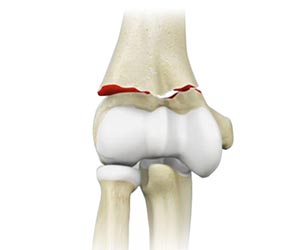 The arm in the human body is made up of three bones that join to form a hinge joint called the elbow. The upper arm bone or humerus connects from the shoulder to the elbow to form the top of the hinge joint. The lower arm or forearm consists of two bones, the radius and the ulna. These bones connect the wrist to the elbow forming the bottom portion of the hinge joint.
What are Elbow Fractures?
Elbow fractures may occur from trauma, resulting from various reasons: a fall on an outstretched arm, a direct blow to the elbow or an abnormal twist to the joint beyond its functional limit.
What are the Types of Elbow Fractures?
The types of elbow fractures include:
- Radial head and neck fractures: Fractures in the head portion of the radius bone are referred to as radial head and neck fractures.
- Olecranon fractures: These are the most common elbow fractures, occurring at the bony prominence of the ulna.
- Distal humerus fractures: These fractures are common in children and the elderly. Nerves and arteries in the joint may sometimes be injured in these fractures.
Symptoms of Elbow Fractures
The symptoms of an elbow fracture may include pain, bruising, stiffness, swelling in and around the elbow, popping or cracking sound, numbness or weakness in the arm, wrist, and hand, and deformity of the elbow bones.
Diagnosis of Elbow Fractures
To diagnose an elbow fracture, your doctor will review your history, perform a thorough physical examination and order X-rays of the joint. In some cases, a CT scan may be needed to view the details of the joint surface.
Treatment Options for Elbow Fractures
The aim of treatment is to maximize early motion and reduce the risk of stiffness. Non-surgical treatment options include pain medication, ice application, the use of a splint or a sling to immobilize the elbow during the healing process, and physical therapy.
Surgery is indicated in displaced and open fractures to realign the bones and stabilize the joint with screws, plates, pins and wires. Strengthening exercises are recommended to improve the range of motion.
Why Choose Dr. William Toole for Elbow Fracture Treatment in Boca Raton, Boynton Beach & Delray Beach?
Proper treatment of an elbow fracture is critical to preserving joint mobility, strength, and long-term function. Dr. William P. Toole is a fellowship-trained orthopedic surgeon specializing in sports medicine and the treatment of traumatic orthopedic injuries. He provides comprehensive care for a wide range of elbow fractures, including radial head fractures, olecranon fractures, distal humerus fractures, and complex elbow injuries. Dr. Toole develops personalized treatment plans based on each patient's fracture pattern, activity level, and recovery goals. Whether treatment involves casting, splinting, rehabilitation, or advanced surgical fixation, his focus remains on helping patients heal properly and return to their normal activities as quickly and safely as possible.
Elbow Fracture FAQs
What is an elbow fracture?
An elbow fracture is a break in one of the bones that form the elbow joint, including the distal humerus, radius, or ulna. Fractures may range from small, stable cracks to complex injuries involving multiple bone fragments and joint surfaces.
What causes an elbow fracture?
Elbow fractures most commonly occur after falls onto an outstretched hand, direct trauma to the elbow, sports injuries, bicycle accidents, motor vehicle collisions, or other high-impact events. Older adults with reduced bone density may be at increased risk for fractures after relatively minor falls.
What are the symptoms of an elbow fracture?
Common symptoms include severe elbow pain, swelling, bruising, tenderness, deformity, limited range of motion, difficulty using the arm, and pain that worsens with movement. Some patients may also experience numbness or tingling if nearby nerves are affected.
How is an elbow fracture diagnosed?
Diagnosis typically begins with a physical examination and a review of the injury. X-rays are commonly used to identify the fracture and evaluate alignment. In more complex cases, CT scans may be recommended to provide detailed images of the fracture pattern and joint involvement.
Can an elbow fracture heal without surgery?
Many elbow fractures can be treated successfully without surgery when the bones remain properly aligned. Non-surgical treatment may include immobilization with a sling, splint, or brace followed by a structured rehabilitation program to restore motion and strength.
When is surgery necessary for an elbow fracture?
Surgery may be recommended when fracture fragments are displaced, the joint surface is affected, elbow stability is compromised, or proper alignment cannot be maintained with conservative treatment. Surgical fixation may involve plates, screws, pins, or other specialized techniques to stabilize the fracture.
How long does it take for an elbow fracture to heal?
Healing times vary depending on the severity and location of the fracture. Many fractures require six to eight weeks for initial bone healing, followed by rehabilitation to restore flexibility, strength, and function. More complex fractures may require a longer recovery period.
Will I need physical therapy after an elbow fracture?
In many cases, physical therapy plays an important role in recovery. Rehabilitation helps reduce stiffness, improve range of motion, restore strength, and support a safe return to normal activities after the fracture has healed.
Can athletes return to sports after an elbow fracture?
Many athletes successfully return to sports following appropriate treatment and rehabilitation. The timeline depends on the type of fracture, the sport involved, and whether surgery was required. Clearance is typically based on healing progress, strength, and functional recovery.
What complications can occur after an elbow fracture?
Potential complications may include stiffness, reduced range of motion, arthritis, nerve irritation, improper bone healing, or persistent pain. Early diagnosis and appropriate treatment can help reduce the risk of long-term problems.
Schedule an Elbow Fracture Evaluation in Boca Raton, Boynton Beach & Delray Beach
If you have suffered an elbow injury and suspect a fracture, timely evaluation can make a significant difference in your recovery. Dr. William Toole provides expert diagnosis and treatment for elbow fractures throughout Boca Raton, Boynton Beach, and Delray Beach. Whether your injury requires non-surgical management or advanced surgical care, you can expect a personalized treatment plan focused on restoring comfort, mobility, and function. Contact our office today to schedule an evaluation and begin your path toward recovery.