Shoulder Instability Treatment in Boca Raton, Boynton Beach & Delray Beach, FL
Shoulder instability occurs when the structures that keep the shoulder joint in place become stretched, torn, or weakened, allowing the shoulder to partially or completely slip out of position. This condition can lead to pain, weakness, repeated dislocations, and a loss of confidence during sports and daily activities. Dr. William P. Toole is a board-certified, fellowship-trained orthopedic sports medicine specialist who provides comprehensive shoulder instability treatment for patients throughout Boca Raton, Boynton Beach, and Delray Beach. Using advanced diagnostic techniques, individualized rehabilitation programs, and minimally invasive arthroscopic procedures when necessary, Dr. Toole helps patients restore shoulder stability, reduce pain, and safely return to active lifestyles.
What is Shoulder Instability?
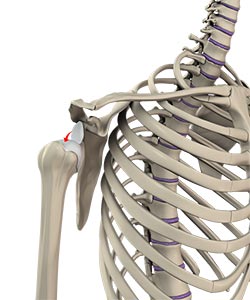 Shoulder instability is a chronic condition that causes frequent dislocation of the shoulder joint.
Causes of Shoulder Instability
A dislocation occurs when the end of the humerus (ball portion) partially or completely dislocates from the glenoid (socket portion) of the shoulder. A partial dislocation is referred to as a subluxation whereas a complete separation is referred to as a dislocation.
Risk Factors of Shoulder Instability
The risk factors that increase the chances of developing shoulder instability include:
- Injury or trauma to the shoulder
- Falling on an outstretched hand
- Repetitive overhead sports such as baseball, swimming, volleyball or weightlifting
- Loose shoulder ligaments or an enlarged capsule
Symptoms of Shoulder Instability
The common symptoms of shoulder instability include pain with certain movements of the shoulder, popping or grinding sound that may be heard or felt, swelling and bruising of the shoulder seen immediately following subluxation or dislocation.
Visible deformity and loss of function of the shoulder occur after subluxation or sensation changes such as numbness. Partial paralysis can occur below the dislocation because of pressure on nerves and blood vessels.
Treatment Options for Shoulder Instability
Conservative Treatments for Shoulder Instability
The goal of conservative treatment for shoulder instability is to restore stability, strength and a full range of motion. Conservative treatment measures may include the following:
- Closed reduction: Following a dislocation, your surgeon can often manipulate the shoulder joint, usually under anesthesia, realigning it into proper position. Surgery may be necessary to restore normal function depending on your condition.
- Medications: Over-the-counter pain medications and NSAIDs can help reduce the pain and swelling. Steroidal injections may also be administered to decrease swelling.
- Rest: Rest the injured shoulder and avoid activities that require overhead motion. A sling may be worn for 2 weeks to facilitate healing.
- Ice: Ice packs should be applied to the affected area for 20 minutes every hour.
Surgery for Shoulder Instability
When conservative treatment options fail to relieve shoulder instability, your surgeon may recommend shoulder stabilization surgery. Shoulder stabilization surgery is performed to improve the stability and function of the shoulder joint and prevent recurrent dislocations. It can be performed arthroscopically, depending on your condition, with much smaller incisions.
Arthroscopy is a surgical procedure in which an arthroscope, a small flexible tube with a light and video camera at the end, is inserted into a joint to evaluate and treat the condition.
The benefits of arthroscopy compared to the alternative, open shoulder surgery, are smaller incisions, minimal soft tissue trauma, less pain leading to faster recovery.
Why Choose Dr. William Toole for Shoulder Instability Treatment in Boca Raton, Boynton Beach & Delray Beach?
Shoulder instability can affect athletes, active adults, and individuals who have experienced a traumatic shoulder injury. Successful treatment requires an accurate diagnosis and a personalized approach to restoring joint stability and function. Dr. William P. Toole is a fellowship-trained orthopedic surgeon specializing in sports medicine and advanced shoulder surgery. He has extensive experience treating first-time dislocations, recurrent shoulder instability, labral tears, and complex shoulder injuries. By combining evidence-based non-surgical treatments with advanced arthroscopic stabilization techniques, Dr. Toole helps patients regain strength, confidence, and long-term shoulder function while minimizing the risk of future dislocations.
Shoulder Instability FAQs
What is shoulder instability?
Shoulder instability occurs when the ball of the upper arm bone does not remain securely positioned within the shoulder socket. This may result in partial dislocations (subluxations), complete dislocations, or a sensation that the shoulder may "give out" during activity.
What causes shoulder instability?
Shoulder instability commonly develops after a traumatic injury, shoulder dislocation, or repetitive overhead motions. Some individuals are also born with naturally loose ligaments that increase their risk of developing multidirectional instability.
What are the symptoms of shoulder instability?
Common symptoms include shoulder pain, repeated dislocations or subluxations, weakness, a feeling that the shoulder is slipping out of place, decreased athletic performance, and difficulty performing overhead activities.
How is shoulder instability diagnosed?
Diagnosis begins with a comprehensive physical examination and review of your medical history. Imaging studies such as X-rays, MRI scans, or MRI arthrograms may be used to evaluate damage to the labrum, ligaments, cartilage, or surrounding soft tissues.
Can shoulder instability be treated without surgery?
Many patients benefit from conservative treatment, including physical therapy, strengthening exercises, activity modification, and anti-inflammatory medications. Rehabilitation focuses on improving the strength and coordination of the muscles that stabilize the shoulder joint.
When is surgery recommended for shoulder instability?
Surgery may be recommended when patients experience recurrent dislocations, persistent instability despite rehabilitation, significant labral tears, bone loss, or limitations that prevent participation in work, sports, or daily activities.
What surgical procedures are used to treat shoulder instability?
Depending on the cause and severity of the instability, treatment may include arthroscopic Bankart repair, labral repair, capsular tightening procedures, or advanced stabilization procedures for patients with significant bone loss or recurrent dislocations.
Can athletes return to sports after shoulder stabilization surgery?
Many athletes successfully return to their previous level of competition following shoulder stabilization surgery and rehabilitation. A structured recovery program is essential to restore strength, mobility, and confidence before returning to play.
How long does recovery take after shoulder instability surgery?
Recovery timelines vary depending on the procedure performed and the patient's goals. Most patients wear a sling for several weeks and participate in physical therapy for several months. Return to sports and high-demand activities is typically determined based on healing progress and functional recovery.
Schedule a Shoulder Instability Evaluation in Boca Raton, Boynton Beach & Delray Beach
If you have experienced a shoulder dislocation, recurrent instability, or a persistent feeling that your shoulder may slip out of place, Dr. William Toole can help. Through comprehensive evaluation and personalized treatment planning, he helps patients throughout Boca Raton, Boynton Beach, and Delray Beach restore shoulder stability and return to the activities they enjoy. Contact our office today to schedule an evaluation and learn about the treatment options available for shoulder instability.