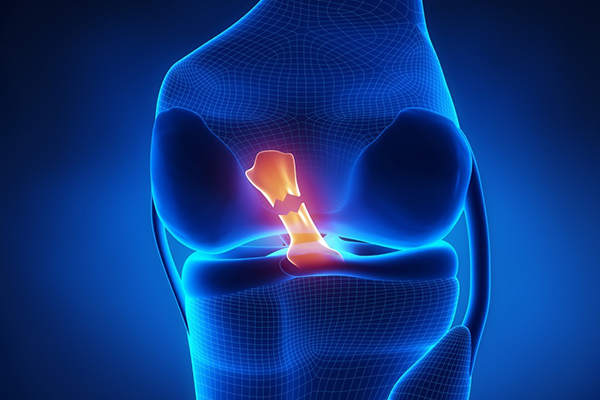
That pop you heard on the field, followed by swelling and a knee that suddenly feels unreliable, is a moment many athletes remember with striking clarity. An ACL tear can feel like the end of a season, or worse, until you understand exactly what reconstruction involves and how predictable the process actually is. Here's a step-by-step look at what ACL reconstruction entails from diagnosis through recovery.
Confirming the Diagnosis First
Before any surgical conversation begins, a proper diagnosis has to come first. A physical exam assessing joint stability, combined with MRI imaging to confirm the extent of the tear and check for associated injuries, gives a clear picture of what's actually going on. This step matters because ACL tears frequently occur alongside meniscus tears or other ligament damage, and knowing the full extent of the injury upfront shapes the entire surgical plan rather than leaving surprises for the operating room.
Choosing the Right Graft
One of the most consequential decisions in ACL reconstruction is graft selection, since the torn ligament cannot simply be sewn back together and instead needs to be replaced with new tissue. Options typically include the patient's own patellar tendon, hamstring tendon, or quadriceps tendon, known as an autograft, or donor tissue, known as an allograft. Younger, highly active patients and athletes often benefit from an autograft due to its strength and lower reported re-tear rates, while allografts may suit patients with lower activity demands or those hoping to minimize additional surgical sites. This decision is typically made collaboratively, weighing age, activity level, and personal goals.
Preparing the Knee Arthroscopically
ACL reconstruction is performed arthroscopically, meaning the surgeon works through small incisions using a camera and specialized instruments rather than opening the knee widely. This minimally invasive approach reduces tissue disruption considerably. During this stage, the surgeon also addresses any additional damage found, such as a meniscus tear, which is common enough that surgeons routinely prepare for the possibility of treating more than the ACL alone during the same procedure.
Removing the Damaged Ligament and Preparing Bone Tunnels
The torn remnants of the original ACL are removed to make room for the graft. The surgeon then creates precise tunnels through the femur and tibia, carefully positioned to recreate the ACL's natural anatomical path. Accuracy at this stage matters enormously, since tunnel placement significantly influences how well the new ligament will function and how the knee will move once healed.
Securing the New Graft
The prepared graft is threaded through the bone tunnels and secured using specialized fixation devices, which anchor the new ligament firmly in place while the bone gradually grows around and incorporates the graft over the following months. This biological healing process, not just the surgery itself, is what ultimately determines the graft's long-term strength and stability.
Addressing Multi-Ligament Involvement When Present
In more complex injuries, particularly those from higher-energy trauma, the ACL isn't always the only ligament affected. When multiple ligaments are damaged simultaneously, a more involved multi-ligament knee reconstruction may be necessary, requiring careful sequencing and planning to restore stability across the entire joint rather than addressing one structure in isolation.
What Recovery Looks Like After Surgery
Recovery follows a structured, staged rehabilitation protocol rather than a fixed calendar. The early weeks focus on reducing swelling and restoring range of motion, followed by progressive strengthening as the graft heals and incorporates into the bone. Return to pivoting sports typically isn't cleared until strength and functional testing confirm the knee can handle those demands safely, which for many athletes falls somewhere between nine months and a year, since research has increasingly shown that rushing return to sport raises the risk of reinjury.
Frequently Asked Questions
How long does ACL reconstruction surgery take?
The procedure itself typically takes one to two hours, depending on graft choice and whether additional injuries, such as a meniscus tear, need to be addressed during the same surgery.
What is the best graft option for ACL reconstruction?
There's no single best option for everyone. Patellar tendon, hamstring, and quadriceps autografts each have different strength profiles and recovery considerations, and the right choice depends on age, activity level, and individual anatomy.
How long until I can return to sports after ACL surgery?
Most athletes return to pivoting sports between nine months and a year after surgery, based on strength and functional testing rather than time alone, since returning too early increases the risk of reinjury.
Is ACL reconstruction painful after surgery?
Some pain and swelling are expected in the initial weeks, typically managed with prescribed medication and ice. Discomfort generally decreases steadily as physical therapy progresses.
Can I injure my ACL again after reconstruction?
Yes, re-tear is possible, particularly if return to sport happens before the graft has fully matured and strength has been properly restored, which is why structured rehab protocols and functional testing matter before clearance
Recovering full confidence in your knee starts with a well-planned reconstruction and a structured path forward. If you're facing an ACL tear in the Boca Raton area and want to understand your surgical and recovery options, scheduling a consultation is a reasonable next step.
Dr. William P. Toole, MD, FAAOS is a board-certified, fellowship-trained orthopedic surgeon and sports medicine specialist serving patients across Boynton Beach, Boca Raton, Delray Beach, and the greater Palm Beach County area. A graduate of the honors college at Clemson University, Dr. Toole earned his medical degree with honors from the University of South Carolina School of Medicine and completed his orthopedic surgery residency at the University of Florida / Mayo Clinic Florida — one of the most respected training programs in the country. He is certified by the American Board of Orthopaedic Surgery, a Fellow of the American Academy of Orthopaedic Surgeons (FAAOS), and a member of the American Orthopaedic Society for Sports Medicine.