Cartilage Restoration & Joint Preservation in Boca Raton, Boynton Beach & Delray Beach, FL
Healthy cartilage is essential for smooth, pain-free joint movement. When cartilage becomes damaged due to sports injuries, repetitive stress, trauma, or early arthritis, patients may experience pain, swelling, stiffness, and reduced function. Cartilage restoration and joint preservation treatments are designed to address cartilage injuries while helping patients maintain their natural joints for as long as possible. Dr. William P. Toole is a board-certified, fellowship-trained orthopedic sports medicine specialist providing advanced cartilage restoration and joint preservation solutions for patients throughout Boca Raton, Boynton Beach, and Delray Beach. Through comprehensive evaluation, advanced imaging, minimally invasive procedures, biologic therapies, and surgical cartilage restoration techniques when appropriate, Dr. Toole helps patients reduce pain, improve joint function, and remain active while delaying or avoiding joint replacement whenever possible.
-

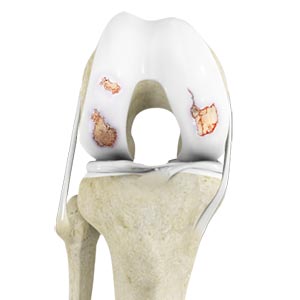
Osteoarthritis
Osteoarthritis also called degenerative joint disease, is the most common form of arthritis. It occurs most often in older people. This disease affects the tissue covering the ends of bones in a joint (cartilage).
-
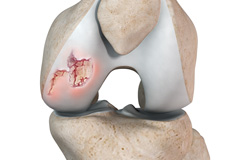
Cartilage defects and cartilage restoration of the knee and shoulder
The articular surfaces of the body's joints are lined by hyaline cartilage, a smooth tissue that serves as a shock absorber and allows easy movement of the bones within the joint.
-
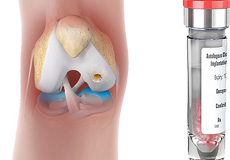
Matrix Associated Cartilage Implantation
Matrix-Induced autologous chondrocyte implantation is an innovative, FDA-approved cartilage restoration procedure that uses your own cells to repair cartilage defects in your knee.
-
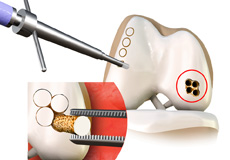
Osteochondral allograft and autograft (OATS)
The articular surfaces of the body’s joints are lined by hyaline cartilage, a smooth tissue that serves as a shock absorber and allows easy movement of the bones within the joint.
-
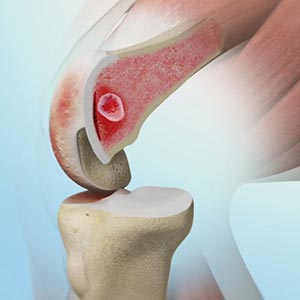
Subchondroplasty
Subchondroplasty is a minimally invasive procedure that is performed to specifically repair chronic BMLs by filling them with a bone substitute material. The bone substitute is then slowly resorbed and replaced with healthy bone, repairing the bone defect.
-
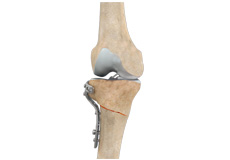
Femoral and tibial osteotomy
An osteotomy is a surgical procedure that involves cutting of bone. The distal femur is part of the femur (thighbone) just above the knee joint.
Why Choose Dr. William Toole for Cartilage Restoration & Joint Preservation in Boca Raton, Boynton Beach & Delray Beach?
Cartilage injuries can significantly impact mobility, athletic performance, and overall quality of life. Successful treatment requires a thorough understanding of joint mechanics, sports injuries, and advanced cartilage preservation techniques. Dr. William P. Toole is a fellowship-trained orthopedic surgeon specializing in sports medicine and joint preservation. He develops individualized treatment plans based on each patient's age, activity level, cartilage damage, symptoms, and long-term goals. Whether treatment involves physical therapy, biologic therapies, arthroscopic procedures, cartilage restoration techniques, or other joint-preserving interventions, Dr. Toole focuses on helping patients maintain healthy joint function and return to the activities they enjoy.
Cartilage Restoration & Joint Preservation FAQs
What is cartilage restoration?
Cartilage restoration refers to a group of orthopedic procedures designed to repair, regenerate, or replace damaged cartilage within a joint. These treatments aim to improve joint function, reduce pain, and slow the progression of degenerative changes.
What is joint preservation?
Joint preservation focuses on treating injuries and conditions affecting the joint before severe arthritis develops. The goal is to maintain the patient's natural joint structure, improve function, and potentially delay or prevent the need for joint replacement surgery.
What causes cartilage damage?
Cartilage damage may result from sports injuries, traumatic accidents, repetitive stress, joint instability, alignment problems, meniscus injuries, aging, or early degenerative joint disease. Cartilage has a limited ability to heal on its own, making specialized treatment important in many cases.
What are the symptoms of cartilage damage?
Patients with cartilage injuries often experience joint pain, swelling, stiffness, catching, locking, grinding sensations, reduced range of motion, and discomfort during physical activity. Symptoms may worsen over time if left untreated.
How is cartilage damage diagnosed?
Diagnosis typically begins with a physical examination and review of symptoms. Imaging studies such as X-rays and MRI scans are often used to evaluate the extent of cartilage damage and identify associated injuries affecting the joint.
Who is a candidate for cartilage restoration?
Candidates may include active individuals, athletes, and patients with focal cartilage defects who wish to maintain their natural joint. Eligibility depends on factors such as age, activity level, joint alignment, overall health, and the size and location of the cartilage injury.
What treatment options are available for cartilage restoration?
Treatment options vary depending on the condition being treated and may include physical therapy, activity modification, biologic therapies, arthroscopic procedures, microfracture techniques, cartilage grafting procedures, and other advanced restoration methods.
Can cartilage regenerate on its own?
Cartilage has a limited natural healing capacity because it lacks a direct blood supply. While some minor injuries may remain stable, more significant cartilage damage often requires medical intervention to improve symptoms and joint function.
Can cartilage restoration help delay knee replacement?
In appropriate patients, cartilage restoration and joint preservation procedures may help reduce symptoms and preserve joint function, potentially delaying the need for knee replacement surgery. Treatment recommendations are individualized based on each patient's condition.
What is recovery like after cartilage restoration surgery?
Recovery depends on the specific procedure performed and the location of the cartilage injury. Rehabilitation often includes a structured physical therapy program, activity restrictions, gradual strengthening, and progressive return to normal activities over several months.
Can athletes return to sports after cartilage restoration?
Many athletes successfully return to sports following cartilage restoration treatment and rehabilitation. Return-to-play timelines vary depending on the procedure, healing progress, and the physical demands of the sport.
Are biologic therapies used in cartilage restoration?
Certain biologic treatments, including platelet-rich plasma (PRP) and other regenerative medicine options, may be incorporated into a comprehensive cartilage preservation strategy when appropriate. Dr. Toole evaluates each patient individually to determine the most suitable treatment plan.
Schedule a Cartilage Restoration & Joint Preservation Consultation in Boca Raton, Boynton Beach & Delray Beach
If joint pain, cartilage damage, or sports-related injuries are limiting your ability to stay active, early intervention may help preserve your joint health and improve long-term outcomes. Dr. William Toole provides advanced cartilage restoration and joint preservation treatment options for patients throughout Boca Raton, Boynton Beach, and Delray Beach. Through personalized care and evidence-based treatment strategies, he helps patients restore function, reduce pain, and maintain active lifestyles. Contact our office today to schedule a consultation and learn more about your cartilage restoration and joint preservation options.