Shoulder Labral Tear Treatment in Boca Raton, Boynton Beach & Delray Beach, FL
A shoulder labral tear can cause persistent pain, instability, clicking sensations, and difficulty performing overhead activities, sports, or everyday movements. The labrum is a ring of cartilage that helps stabilize the shoulder joint, and injuries to this structure can occur from sports participation, repetitive overhead motion, traumatic falls, shoulder dislocations, or age-related degeneration. Dr. William P. Toole is a board-certified, fellowship-trained orthopedic sports medicine specialist who provides comprehensive diagnosis and treatment for shoulder labral tears in Boca Raton, Boynton Beach, and Delray Beach. From advanced imaging and rehabilitation programs to minimally invasive arthroscopic shoulder surgery, Dr. Toole develops personalized treatment plans designed to relieve pain, restore stability, and help patients return to an active lifestyle.
Anatomy of the Shoulder
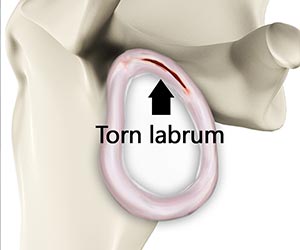 The shoulder joint is a ball and socket joint. A ball at the top of the upper arm bone (humerus) fits neatly into a socket, called the glenoid, which is part of the shoulder blade (scapula). The glenoid is surrounded by a ring of fibrous cartilage called the labrum for stabilization of the shoulder joint. The biceps tendon attaches inside the shoulder joint at the superior labrum of the shoulder joint. It is a long cord-like structure that attaches the biceps muscle to the shoulder and helps to stabilize the joint.
Shoulder Labral Tear
Traumatic injury to the shoulder or overuse of the shoulder (throwing, weightlifting) may cause the labrum to tear. In addition, aging may weaken the labrum leading to injury.
Symptoms of Shoulder Labral Tear
Shoulder labral tears may cause symptoms such as:
- Pain
- Catching or locking sensation
- Decreased range of motion
- Joint instability
Treatments for Shoulder Labral Tear
Your doctor may initially suggest conservative approaches such as prescribing anti-inflammatory medications and advise rest to relieve symptoms until diagnostic scans are performed. Rehabilitation exercises may be recommended to strengthen the rotator cuff muscles. If the symptoms do not resolve with these conservative measures, your doctor may recommend arthroscopic surgery.
During arthroscopic surgery, your surgeon examines the labrum and the biceps tendon. If the damage is confined to the labrum without involving the tendon, then the torn flap of the labrum will be removed. In cases where the tendon is also involved or if there is a detachment of the tendon, absorbable wires or sutures will be used to repair and reattach the tendon.
Postoperative Care for Shoulder Labrum Tears
After the surgery, you will be given a shoulder sling to wear for 3-4 weeks. You will be advised motion and flexibility exercises after the sling is removed. These exercises increase the range of motion and flexibility of the shoulder joint.
Why Choose Dr. William Toole for Shoulder Labral Tear Treatment in Boca Raton, Boynton Beach & Delray Beach?
Shoulder labral injuries can significantly impact athletic performance, work activities, and overall quality of life. Dr. William P. Toole is a fellowship-trained orthopedic surgeon specializing in sports medicine and advanced shoulder procedures. He has extensive experience treating a wide range of labral injuries, including SLAP tears, Bankart tears, and other forms of shoulder instability. Dr. Toole utilizes state-of-the-art diagnostic tools and minimally invasive arthroscopic techniques to accurately diagnose and treat shoulder labral injuries while focusing on restoring shoulder function, strength, and long-term joint stability. Each treatment plan is tailored to the patient's condition, activity level, and goals, helping individuals return safely to sports, work, and everyday activities.
Shoulder Labral Tear FAQs
What is a shoulder labral tear?
A shoulder labral tear occurs when the ring of cartilage surrounding the shoulder socket, known as the labrum, becomes damaged or torn. The labrum helps deepen the shoulder socket and provides stability to the joint. When injured, it can lead to pain, weakness, catching sensations, and instability.
What causes a shoulder labral tear?
Labral tears commonly result from traumatic injuries, shoulder dislocations, falls onto an outstretched arm, repetitive overhead activities, throwing sports, weightlifting, or gradual wear and tear associated with aging.
What are the symptoms of a shoulder labral tear?
Common symptoms include shoulder pain, clicking or popping sensations, catching or locking of the joint, decreased range of motion, weakness, and feelings of shoulder instability. Some patients may notice reduced athletic performance or discomfort during overhead activities.
How is a shoulder labral tear diagnosed?
Diagnosis typically begins with a detailed medical history and physical examination. Imaging studies such as X-rays, MRI scans, or MRI arthrograms may be used to identify the tear. In some cases, shoulder arthroscopy may be utilized to confirm the diagnosis and evaluate the extent of the injury.
Can a shoulder labral tear heal without surgery?
Many patients experience improvement with non-surgical treatment, including activity modification, anti-inflammatory medications, physical therapy, and strengthening exercises focused on the rotator cuff and shoulder stabilizers. Surgery may be recommended when symptoms persist or when significant instability is present.
What types of labral tears are most common?
The most common labral injuries include SLAP tears, which occur at the top of the labrum near the biceps tendon attachment, and Bankart tears, which are commonly associated with shoulder dislocations and recurrent instability. Posterior labral tears are less common but can occur in athletes participating in repetitive overhead sports.
When is surgery necessary for a shoulder labral tear?
Surgery may be recommended for patients who continue to experience pain, instability, weakness, or functional limitations despite conservative treatment. Arthroscopic repair can restore shoulder stability and improve function by repairing or reattaching the damaged labrum.
How long does recovery take after shoulder labral repair?
Recovery varies depending on the type and severity of the tear. Most patients wear a sling for several weeks following surgery and participate in structured physical therapy. Full recovery and return to sports often take several months, depending on healing and rehabilitation progress.
Schedule a Shoulder Labral Tear Evaluation in Boca Raton, Boynton Beach & Delray Beach
If you are experiencing shoulder pain, instability, clicking sensations, or difficulty participating in sports and daily activities, Dr. William Toole can help identify the source of your symptoms and recommend the most effective treatment options. From conservative management to advanced arthroscopic shoulder surgery, patients throughout Boca Raton, Boynton Beach, and Delray Beach trust Dr. Toole for comprehensive shoulder care. Contact our office today to schedule an evaluation and take the first step toward restoring shoulder stability, comfort, and function.